Vibe coding and the limits of describing what you want
Vibe coding became a $4.7B habit in 2026 — yet developer trust in AI code fell to 29%. What the gap between describing and knowing really costs.

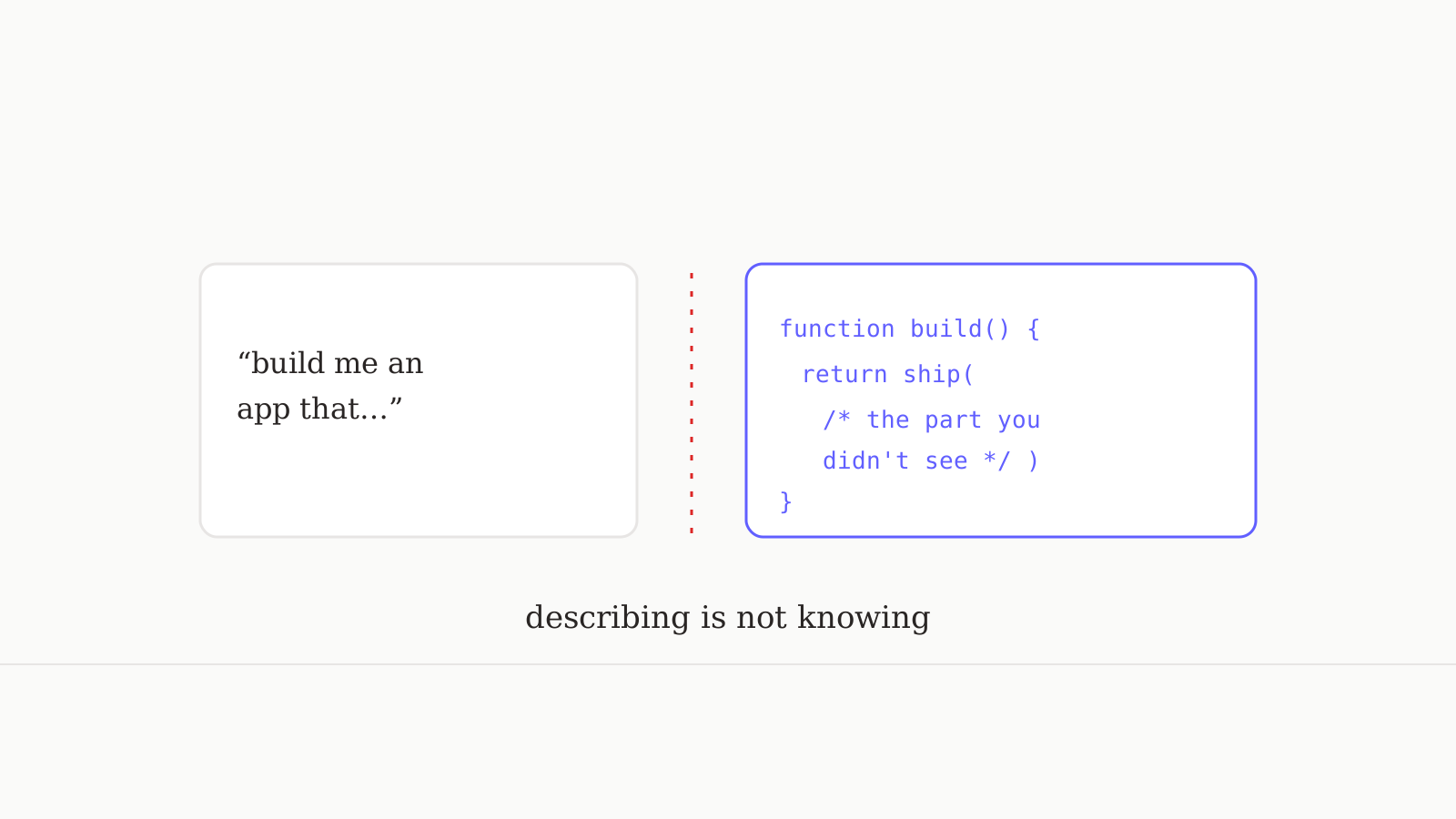
"Vibe coding" — describing what you want in plain English and letting an AI write the code — became a $4.7 billion category in 2026. The large majority of developers now use AI coding tools daily, and a striking share build mostly by description. And yet, in the same window, developer trust in AI-generated code fell from about 40% to 29%. That gap is the whole story. Vibe coding is genuinely powerful, and it quietly relocates a cost most people don't see until later. This essay is about where that cost lands.
Describing is not knowing
When you describe what you want, you're specifying the outcome you can picture. The model fills in everything you didn't think to mention — and most of software is the part you didn't think to mention. The error handling. The edge case at 2am. The assumption that quietly fails when the data looks slightly different next month. The demo works because the demo is the part you imagined. The trouble lives in the part you didn't.
The foundation problem
This isn't an argument against the tools — it's an argument about which part is yours. The fastest way to ship something fragile is to outsource the understanding along with the typing. The model is extraordinary at producing code. It is not accountable for whether that code should exist, whether it's secure, or whether you'll be able to fix it. That accountability didn't get automated. It got quietly handed to you anyway.
What stays human
The skill that survives vibe coding isn't typing syntax — the machine won that. It's judgment: knowing what to build, recognising when the generated answer is subtly wrong, and keeping enough understanding to debug what you shipped. This is the coding-shaped version of a principle that runs through everything here: the thinking is yours, the models do the typing. Lose the thinking and you haven't saved work; you've deferred it to a worse moment.
The practical guardrails are unglamorous and they work: read what was generated before you trust it, fact-check the claims and the code, and keep your own mental model of the system. If you're choosing tools, the trade-offs in Cursor vs Claude Code vs Windsurf matter less than the discipline you bring to any of them.
Where this fits
Vibe coding is here to stay, and for the right tasks it's a gift — prototype freely, learn fast, build the demo. Just keep the understanding when it counts, because the foundation is the part you can't describe your way out of. The same instinct — stay the one who understands — is why model choice matters: oran.chat lets you reach the strongest model for a reasoning check on what you built, instead of trusting the first one that answered; start free. More in Essays.