AI browsers tested: Atlas vs Comet vs Dia
ChatGPT Atlas, Perplexity Comet, and Dia turn the browser into an agent that clicks and fills forms for you. Which one earns a permanent tab in 2026?

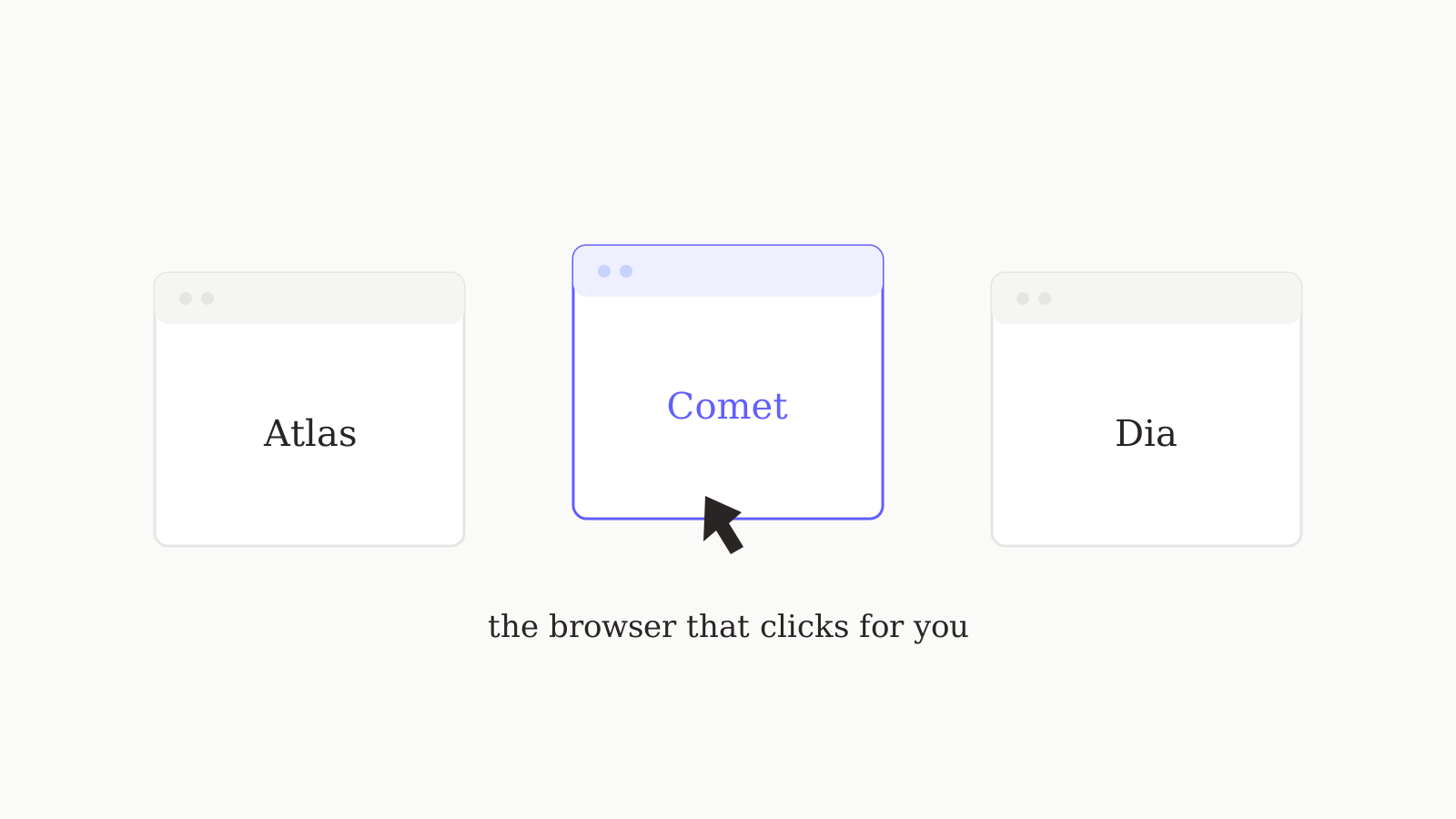
The browser is the new battleground for AI. Three tools lead the shift from search-based browsing to an assistant that reads, clicks, and fills forms on your behalf: ChatGPT Atlas, Perplexity Comet, and Dia. I ran all three through a normal working week in May 2026 — research, inbox triage, booking, and a few deliberately annoying multi-tab tasks. Here is what each one is genuinely good at, what it costs, and which earns a permanent tab.
The quick verdict
| Browser | Model behind it | Agent ability | Price | Best for |
|---|---|---|---|---|
| ChatGPT Atlas | OpenAI GPT-5.5 | Strong (Agent Mode) | Free basic · $20 Plus · $200 Pro | People who already live in ChatGPT |
| Perplexity Comet | Perplexity (multi-source) | Fast, literal | Free · $20 Pro | Research and citations |
| Dia | The Browser Company | Light, page-side chat | Free | Arc refugees who want calm |
ChatGPT Atlas
Atlas is the most capable when you turn on Agent Mode — it'll work through a checkout, reconcile a spreadsheet against a web dashboard, or draft replies from your open inbox. The catch is that the good part is gated: Agent Mode is a preview on the $20 Plus plan, and the heaviest automation effectively wants the $200 Pro tier. If ChatGPT is already your daily driver, Atlas feels like a natural extension. If it isn't, you're paying to deepen a lock-in you may not want.
Perplexity Comet
Comet is the one I kept open for research. It "presses buttons almost instantly" — the automation feels less like watching a robot think and more like a fast assistant who already knows the site. Its real edge is Perplexity's habit of always showing sources, so a synthesis across six tabs comes back with citations you can click. It went from a $200/month exclusive to free in late 2025, which makes it the easiest one to just try. The weakness: it's literal, and it occasionally automates the wrong thing confidently.
Dia
Dia, from the team behind Arc, is the quiet option. It's less an autonomous agent and more a calm chat panel that lives beside the page and remembers what you were reading. If the "agent that clicks for you" pitch makes you nervous — and after a week of watching agents misfire, it might — Dia is the gentlest on-ramp. It does less, and is wrong less often as a result.
How to choose
- You want raw task automation: Atlas, if you can stomach the pricing ladder.
- You want research with receipts: Comet, free, today.
- You want help without handing over the wheel: Dia.
For the wider field of tools people are weighing against the default, start with the best ChatGPT alternatives in 2026. And if your real question is "is the browser becoming the new search box," the numbers in is Google search dying? are the better place to look.
Where this fits
A browser agent is one surface for doing. It isn't a substitute for the thinking layer — and because each browser is married to a single model, it can't route your question to whichever model answers it best. That's the gap oran.chat fills: one place that picks the right model per question, rather than locking you to whoever made your browser. For a grounded tour of what these agents can and can't do yet, read what AI agents can actually do for you in 2026, then start free and keep your reasoning layer model-agnostic. For more head-to-heads, see Comparisons.