The best Perplexity alternatives in 2026
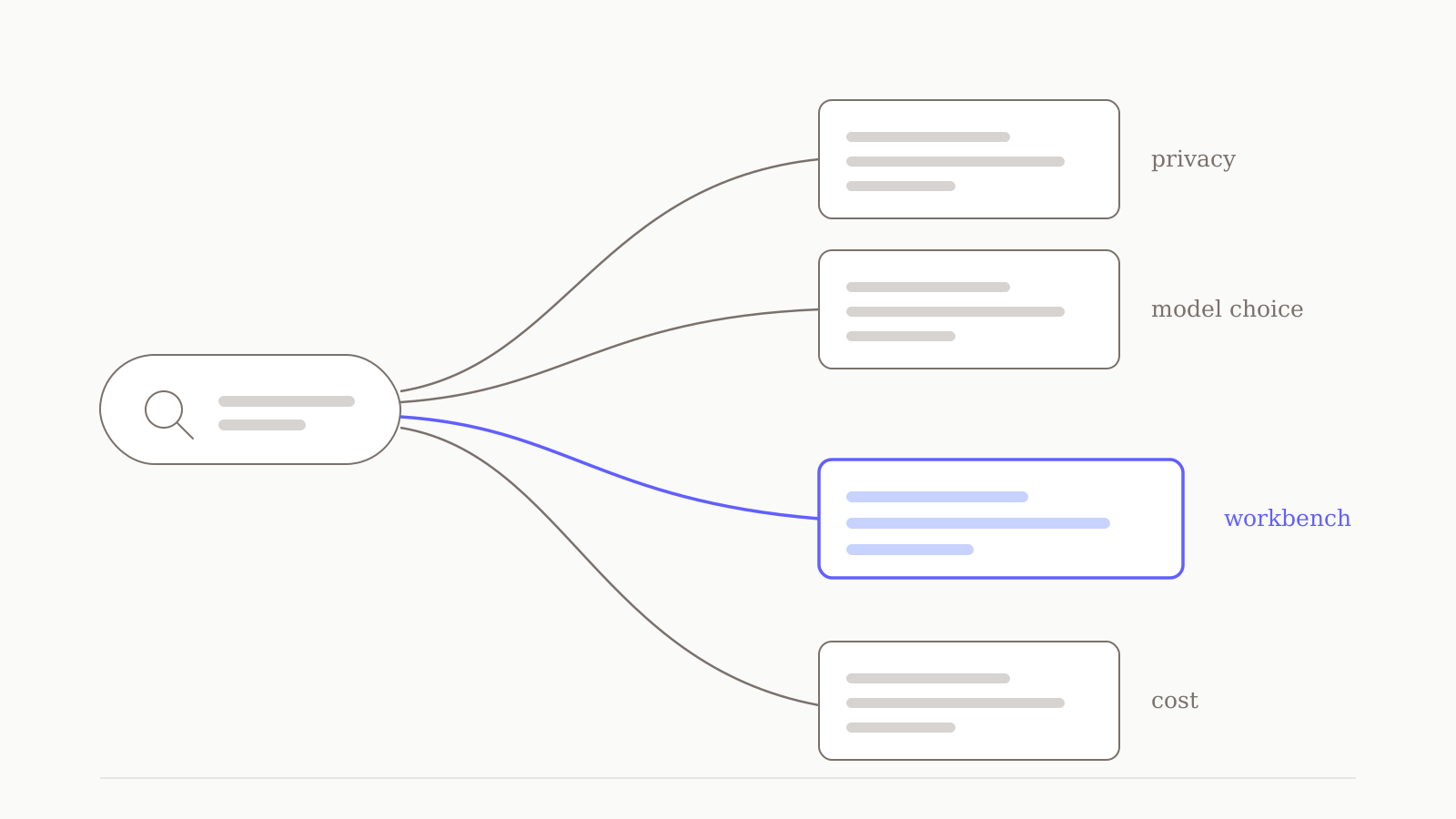
Perplexity is good at what it does. People leave for four reasons: privacy defaults, hidden model choice, search-box-not-workbench, cost. Best answer to each.
oran.chat blog
Head-to-head looks at the AI tools and models you're choosing between.
Perplexity is good at what it does. People leave for four reasons: privacy defaults, hidden model choice, search-box-not-workbench, cost. Best answer to each.
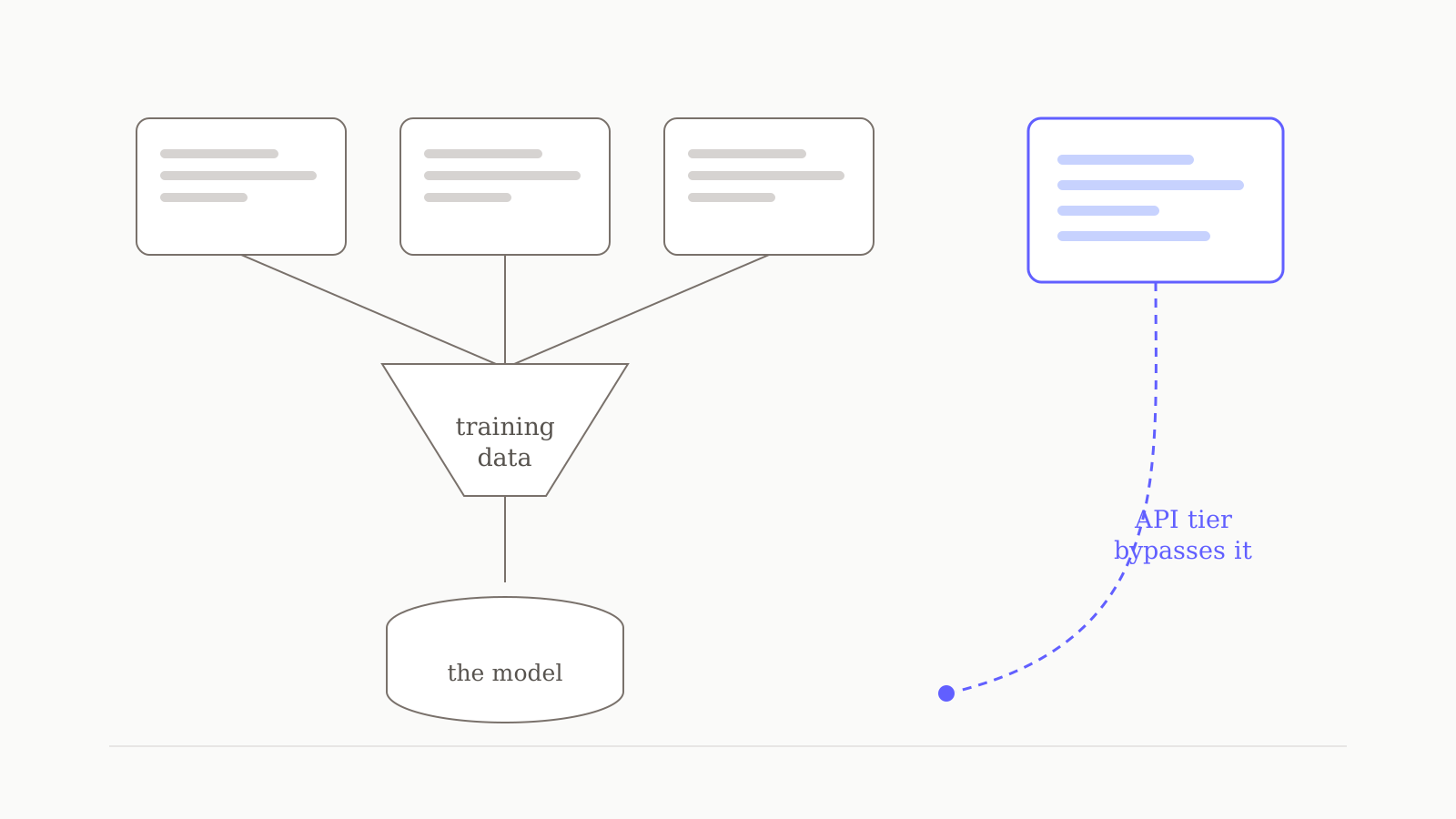
ChatGPT, Claude, Gemini, and Perplexity all train on consumer chats by default. None train on API traffic. Where each setting lives, and how to turn it off.
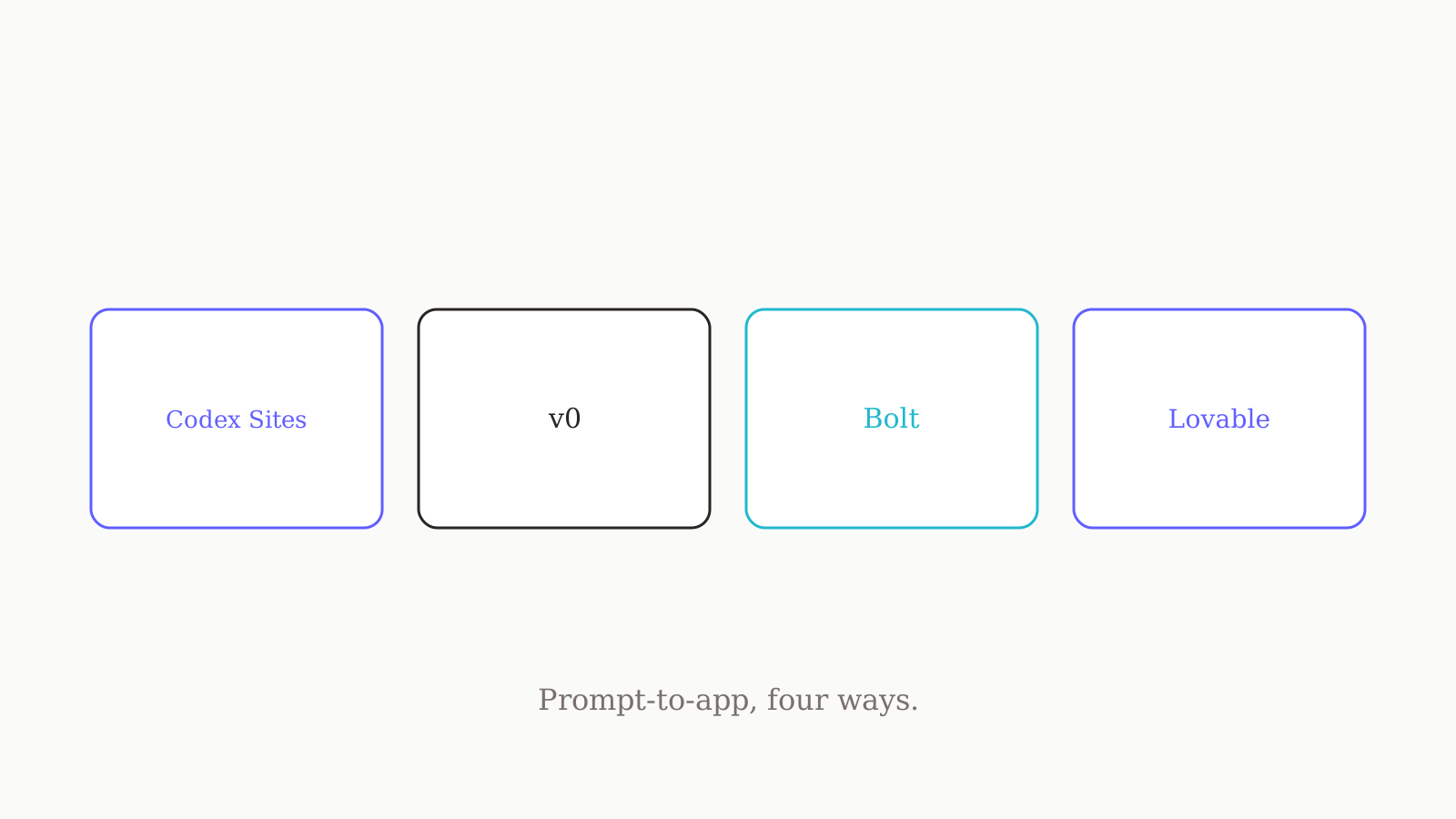
An honest four-way among prompt-to-app builders: Codex Sites hosts inside ChatGPT, while v0, Bolt, and Lovable each deploy and own code differently.
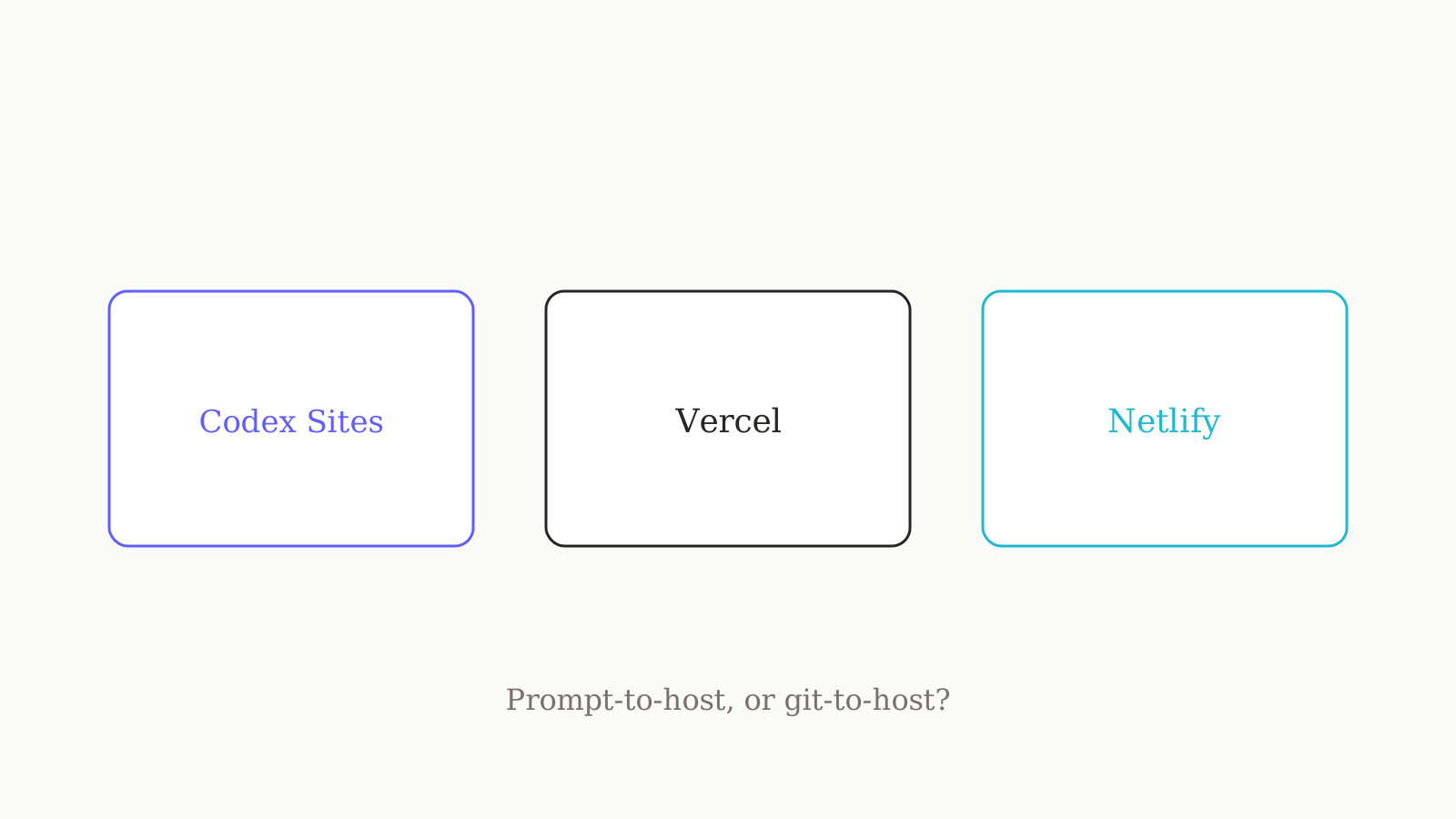
An honest head-to-head: Codex Sites is prompt-to-host inside ChatGPT, while Vercel and Netlify are git-to-host production platforms.
Voice finally works: sub-100ms latency and native audio reasoning. A field guide to the AI voice assistants worth talking to in 2026 — and when typing wins.
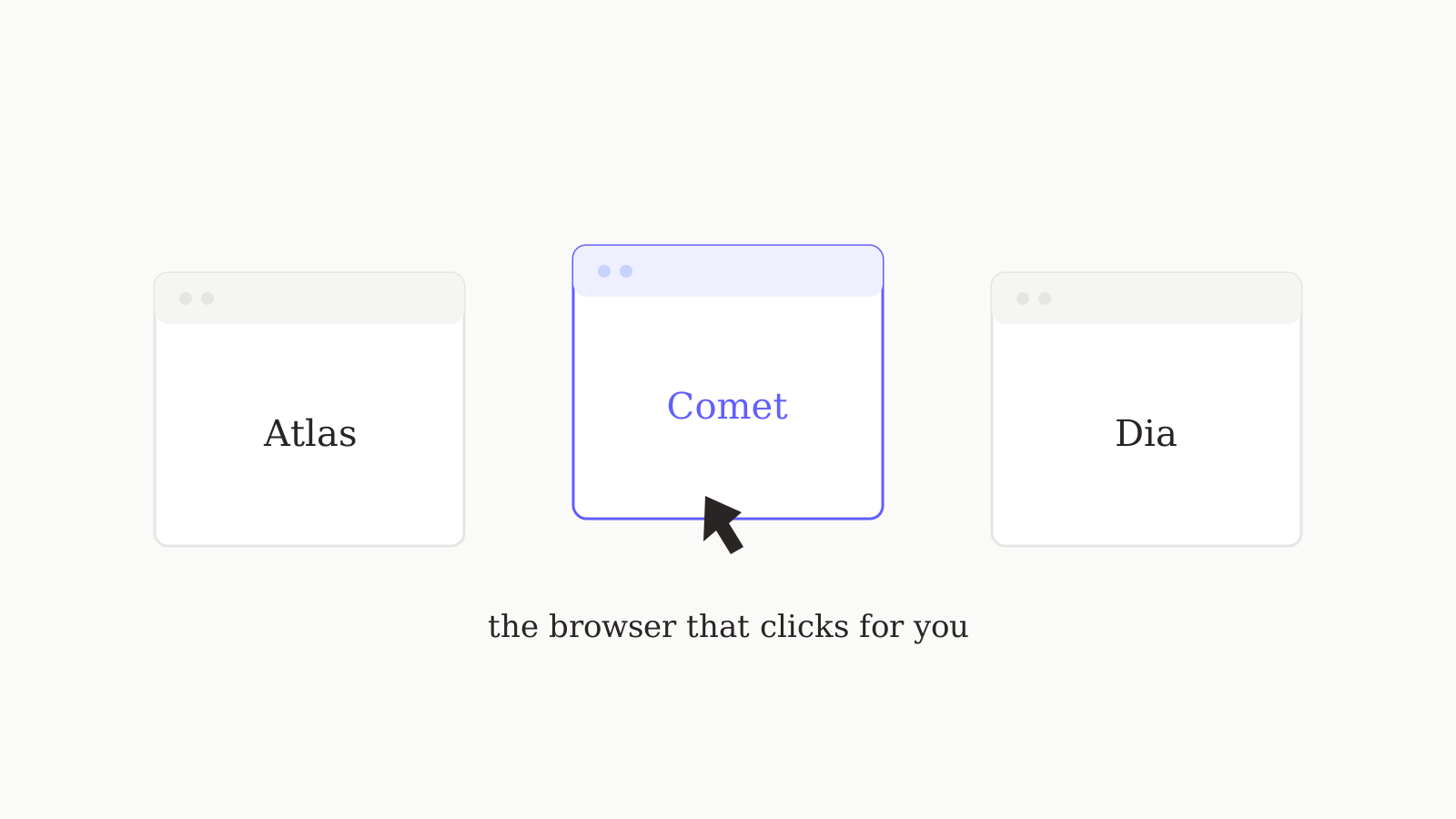
ChatGPT Atlas, Perplexity Comet, and Dia turn the browser into an agent that clicks and fills forms for you. Which one earns a permanent tab in 2026?
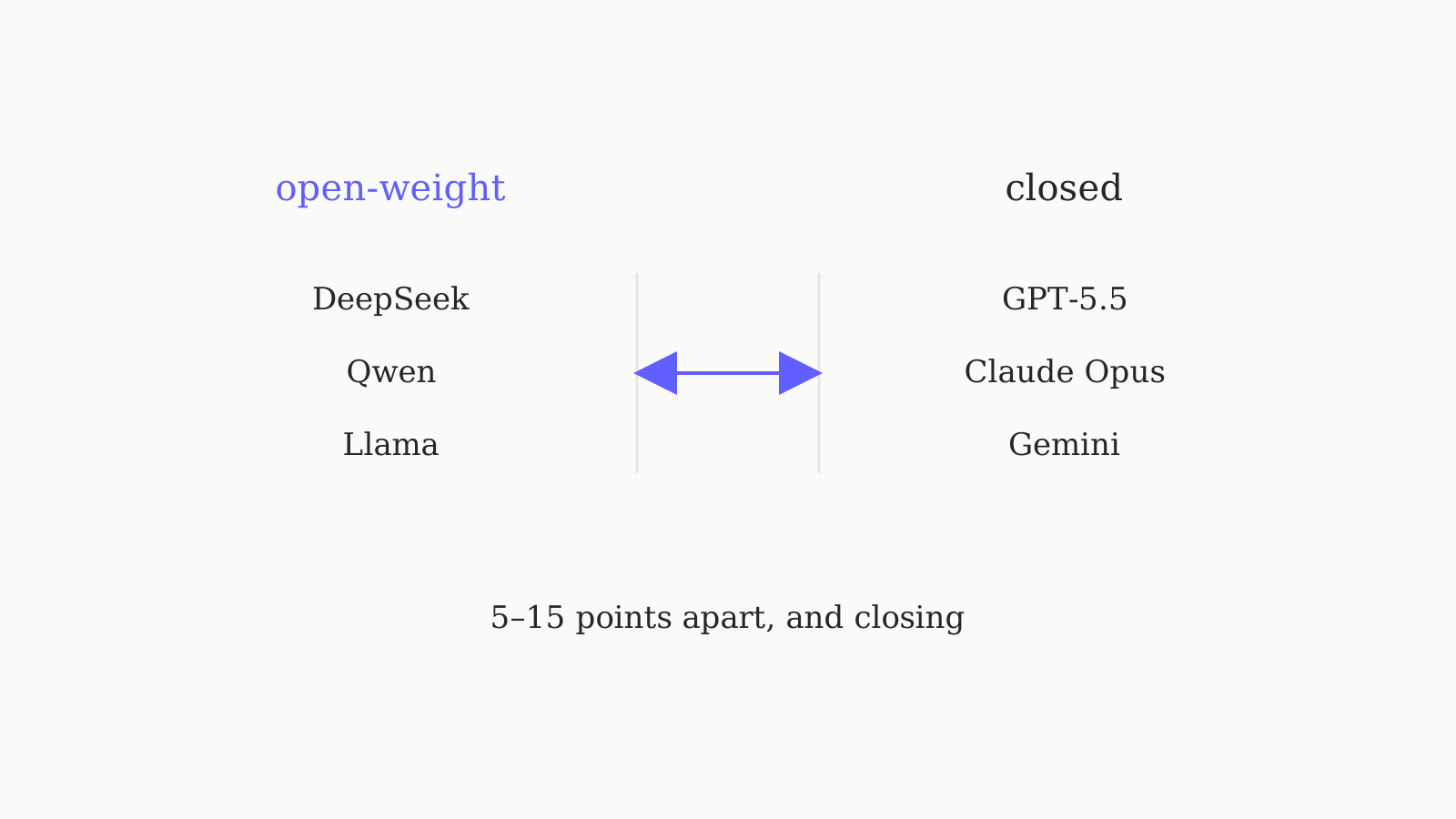
DeepSeek, Qwen, and Llama closed the gap to within 5–15 points of GPT-5.5 and Claude Opus. When the open model is the right call in 2026 — and when it isn't.
Seven multi-model AI chat platforms graded on the same twenty-prompt rubric — model selection, instructions, branching, files, vision, and pricing.
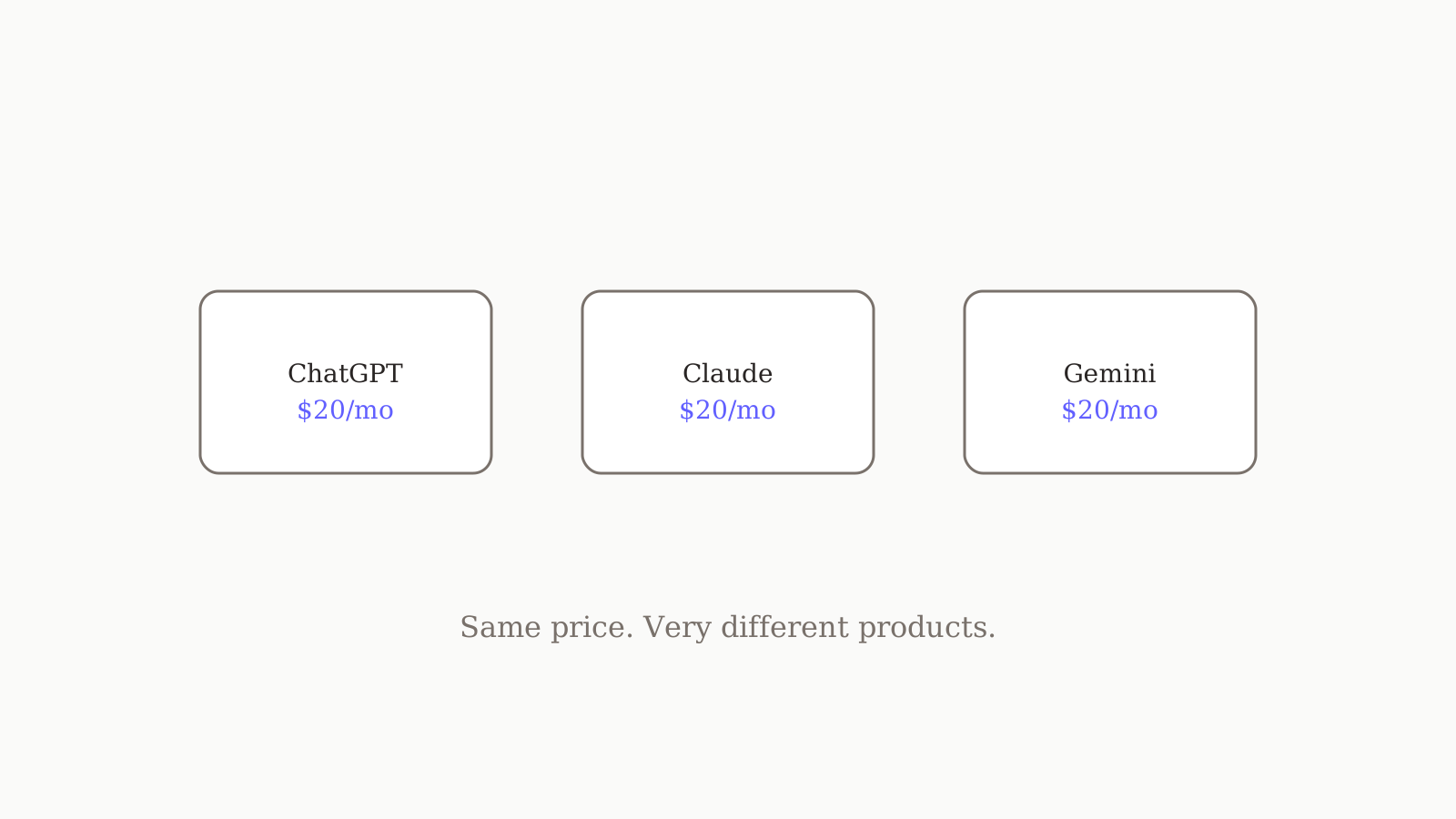
Thirty days, three subscriptions, one journal — what each plan actually gives you, where the limits hit, and which is the best single subscription in 2026.
Side-by-side answers on twelve real prompts — coding, writing, research, and reasoning. Where each model wins, where they tie, and how to choose.
Reproducible head-to-head — fifteen prompts you can run yourself, scored on first-pass quality and how much correction each model needed.
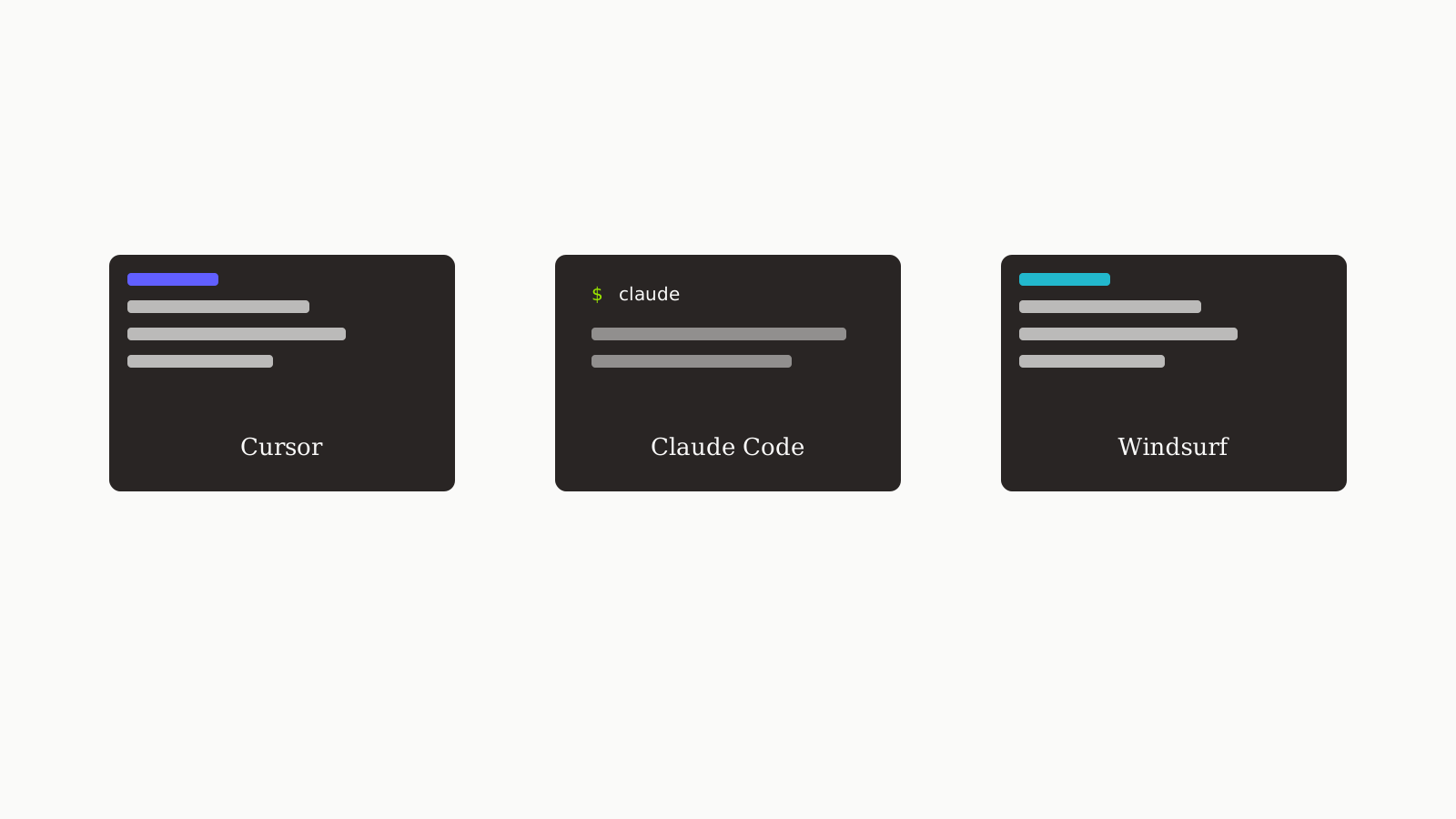
Three AI-first code editors compared on the workflow that matters most — multi-file refactors, codebase awareness, and how well each one stays out of your way.
Three answers to 'what AI chat should I use' depending on whether you prioritise privacy, multi-model fluency, or the default experience.
Five criteria nobody else publishes — instruction portability, branch fidelity, attachment handoff, model latency, and switching UX — applied to four platforms.
Three AI search experiences compared on what they actually do well — citations, source quality, recency, and the workflow around the answer.
A four-way comparison of the most popular multi-model AI platforms — BYOK pricing, UX, model breadth, and developer access, all in one table.
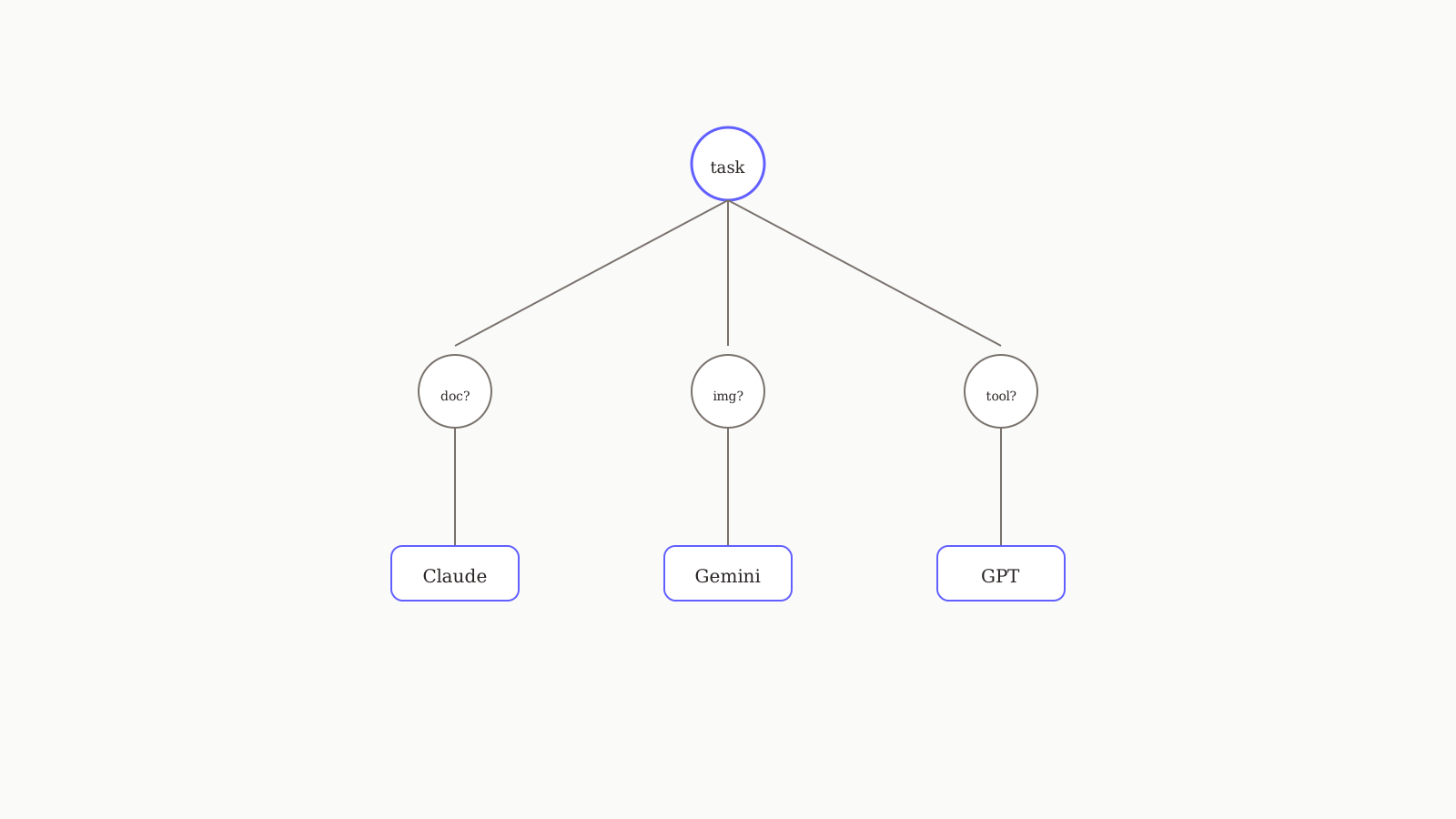
A practical decision tree that maps task category to recommended model — for people tired of asking 'which AI should I use for this?' on every turn.